Finalist
Tackling inequality and unmet need in organ donation among BAME populations
Summary of work
Kidney failure, a terminal illness, is up to five times more common in people from Black, Asian and Minority Ethnic (BAME) populations.1 Despite transplants having higher chances of success if the donor and recipient are ethnic matches, stark inequalities exist in transplant services: 30% cent of those waiting for a transplant are BAME but they constitute just 1% of people on the organ donation register. This shortage means on average BAME populations wait almost one year longer for a kidney transplant than Caucasian patients.2
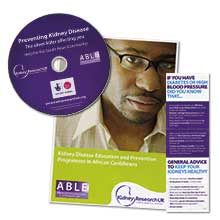
To address this, Kidney Research UK launched its Peer Educator community engagement and communications programme. The programme trains representatives from BAME populations to educate, support and empower their peers, tackling the barriers preventing BAME populations from having equal opportunities to organ transplants.
Kidney Research UK’s strategy was to: equip Peer Educators to engage with BAME populations; mobilise them at a grassroots level; and raise the political profile of the Programme to increase senior decision-maker awareness and interest. This helped ensure that the issue received the prioritisation it deserved.
1 NHS Choices, Black and South Asian Kidney Health, Available here: http://www.nhs.uk/Livewell/Kidneyhealth/Pages/BlackandAsiankidneyhealth.aspx
2 NHS Blood and Transplant: Organ Donation and Transplantation Activity Report 2014/15, 2015, Available here: http://nhsbtmediaservices.blob.core.windows.net/organ-donation-assets/pdfs/activity_report_2014_15.pdf
Judges’ comments
This campaign met a very real need and delivered directly to key stakeholders, in their own language and environments, using tried and tested community engagement mechanisms. It had solid metrics and SMART objectives across a number of touchpoints. The Parliamentary work and training of 140 peer educators is impressive